We generally protect our property against theft and fire with locks, alarms and smoke detectors, but internal water damage is a more common and costly risk.
The biggest culprit – flexi hoses
Flexi hoses are the primary cause of internal flooding in homes.
This plastic tube, covered in a steel braid, is attached to many household items, including washing machines, dishwashers, refrigerators, sinks and toilets.
When water is turned on and off, the pressure inside the hose causes deterioration as the inner rubber tube expands and contracts. The hotter the water, the faster the hoses wear out.
Flexi hoses are cheap, but neglecting to maintain them can be costly. Most flexi hoses burst due to rust or corrosion on the braiding, or the effects of twisting, kinking or stretching.
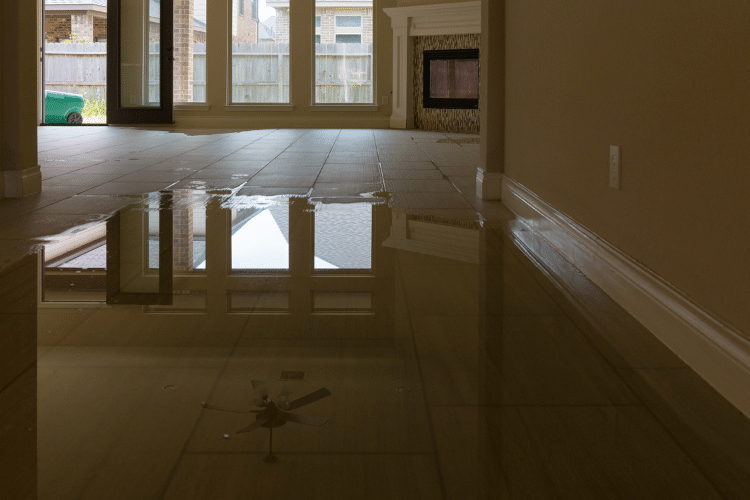
A burst flexi hose can release the equivalent of a suburban swimming pool through a property in 24 hours if no one is home.
Check regularly for any fraying, rust, corrosion, kinking or twisting on flexi hoses.
Damage greater than the eye can see
In strata properties, a burst flexi hose can cause damage to common areas, such as hallways, and to expensive infrastructure, including mains electricity supplies and lifts.
Homeowners can be left with damaged carpets, walls and furniture…not to mention the mould.
If the property has tenants, an extended period of disruption could cause a tenant to move out permanently. Or the property could be uninhabitable, leading to a short-term loss of rental income.
Don’t compromise your cover
Although insurance generally covers loss of rent for the owner if tenants vacate, or temporary accommodation costs for an owner-occupier, all strata insurance policies have wear and tear Exclusions that state the policy won’t cover losses due to normal deterioration over time.
Insurers have declined many claims due to the wear and tear exclusion.
If a flexi hose has clear signs of corrosion or fraying and isn’t repaired, an insurer may reduce or decline a claim for the water damage because you didn’t carry out regular checks or replace the hose when you noticed the damage.
Insurers may also decline claims if there’s been a previous claim for a failed flexi hose at a property. This should have alerted the owners that other flexi hoses may have expired and needed replacement.
Regular maintenance is cheaper than damage repairs
Flexi hoses vary in their quality and expected lifespan. Ideally, they should be checked bi-annually, particularly after the 5-year mark, when the risk of bursting increases significantly.
Doing a few simple checks could save you time and money.
- Look for signs of ageing
- Ensure proper installation
- Check the warranty
- Avoid storing chemicals near flexi hoses
Peace of mind with the right insurance cover
Having adequate insurance cover against water damage is essential for both the strata building and the owner’s contents.
BCB can help you find the right insurance policy to ensure it covers accidental loss or damage to contents from events, including the escape of water.