SCA (NSW) welcomes the release of the NSW Productivity and Equality Commission’s review of the market impacts of prohibiting conflicting payments.
Commissioner Achterstraat, in response to a request from Minister Chanthivong for an evidence-based report to support NSW Government decision-making, has found that a phased transition of the strata sector from a commissions-based model to a fee for service structure could generate net benefits for NSW of more than $300 million over the next fifteen years.
We note that the review’s final report examined four options for the Government to consider and makes seven recommendations, including a prohibition on strata managers accepting commissions, supporting industry and owners with a gradual, three-year transition period to minimise the impacts across the broader sector and following this change, a reduction in regulatory burden for strata managers by removing the requirement to seek three quotes for insurance.
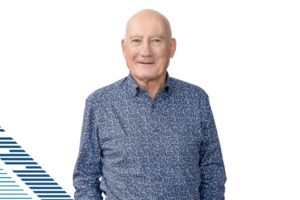
“Last year, the SCA (NSW) Board resolved to support and encourage members to begin a phased replacement of insurance commissions for strata managing agents. This voluntary transition commenced on 1 January 2026,” said SCA (NSW) President, Mr Robert Anderson.
Our sector has been aware of the Government’s intention to review insurance remuneration practices for some time, and the Board’s decision was only taken after careful consideration and consultation. It was our ongoing commitment to raise professional standards, strengthen consumer trust, and deliver better outcomes for owners and residents living in strata communities.”
“To support and inform our decision-making, we commissioned independent research and policy analysis from AEC Group and drew from our engagement with government, consumer groups, members and insurance and industry stakeholders over the last two years. The benefits of a gradual, phased transition and a shift away from negative consumer sentiment relating to commissions came through very strongly.”
SCA (NSW) believes that a three-year, gradual phased replacement of insurance commissions presents the best opportunity to move forward for the industry and consumers:
- For strata managing agents and their businesses, this reform will deliver certainty, business sustainability and improve trust and credibility with clients
- For apartments owners and owners’ corporations, this reform will deliver transparency, accountability and pricing simplicity
- Strata managing agents are proud to talk about the value they bring to consumers and why they should be paid a fee to carry out critical tasks in relation to strata insurance.
“To support a phased transition, SCA (NSW) has already conducted seven member workshops and seminars, attended by over 200 participants and will continue to support and encourage our members as part of this process. We now await Minister Chanthivong’s consideration of the review findings and will make further comment in due course,” Mr Anderson said.
Key dates and figures:
- 1 July 2024 – Strata Insurance Best Practice disclosure guide mandatory for members.
- 1 July 2025 – SCA National Code of Ethics implemented.
- 1 January 2026 – SCA (NSW) commenced a voluntary phased replacement of insurance commissions for strata managing agents.
- 17% of NSW Residents live in Strata, which is just under 1.5m people.
- There are 91,346 strata schemes in NSW.
- There are more than 1 million lots (1,073,277) in NSW.
- 75% of lots in NSW are managed by SCA members.
- $486B of strata property value in NSW (Total insured value of schemes).
Further media enquiries:
- Robert Anderson, SCA (NSW) President is available for interview.
- Please contact: Andrew Jefferies, SCA (NSW) Senior Policy and Advocacy Advisor
- (m) 0427 928 111
- (e) [email protected]
About SCA (NSW)
Strata Community Association (NSW) is the leading professional body representing the strata and community title sector in New South Wales. Our membership consists of strata managers, support staff, and suppliers dedicated to delivering professional, ethical, and high-quality services across the state’s strata communities.